Space Knowledge Library
1. The Big Bang

The Big Bang theory explains how the universe began around 13.8 billion years ago.
Scientists believe the universe expanded rapidly from an extremely hot and dense state.
As space expanded, matter cooled and began forming particles, atoms, stars and galaxies.
2. Formation of Stars

Stars form inside giant clouds of gas called nebulae. Gravity pulls the gas together,
increasing pressure and temperature until nuclear fusion begins. This fusion creates
the light and heat produced by stars.
3. Black Holes

Black holes are extremely dense regions of space where gravity is so strong that
not even light can escape. They form when massive stars collapse after exhausting
their nuclear fuel.
4. The Milky Way

The Milky Way galaxy contains our solar system. It holds hundreds of billions
of stars and a massive black hole at its center called Sagittarius A*.
5. The Solar System

The solar system formed about 4.6 billion years ago from a cloud of gas and dust.
The Sun formed at the center while planets formed from leftover material orbiting it.
6. Mercury
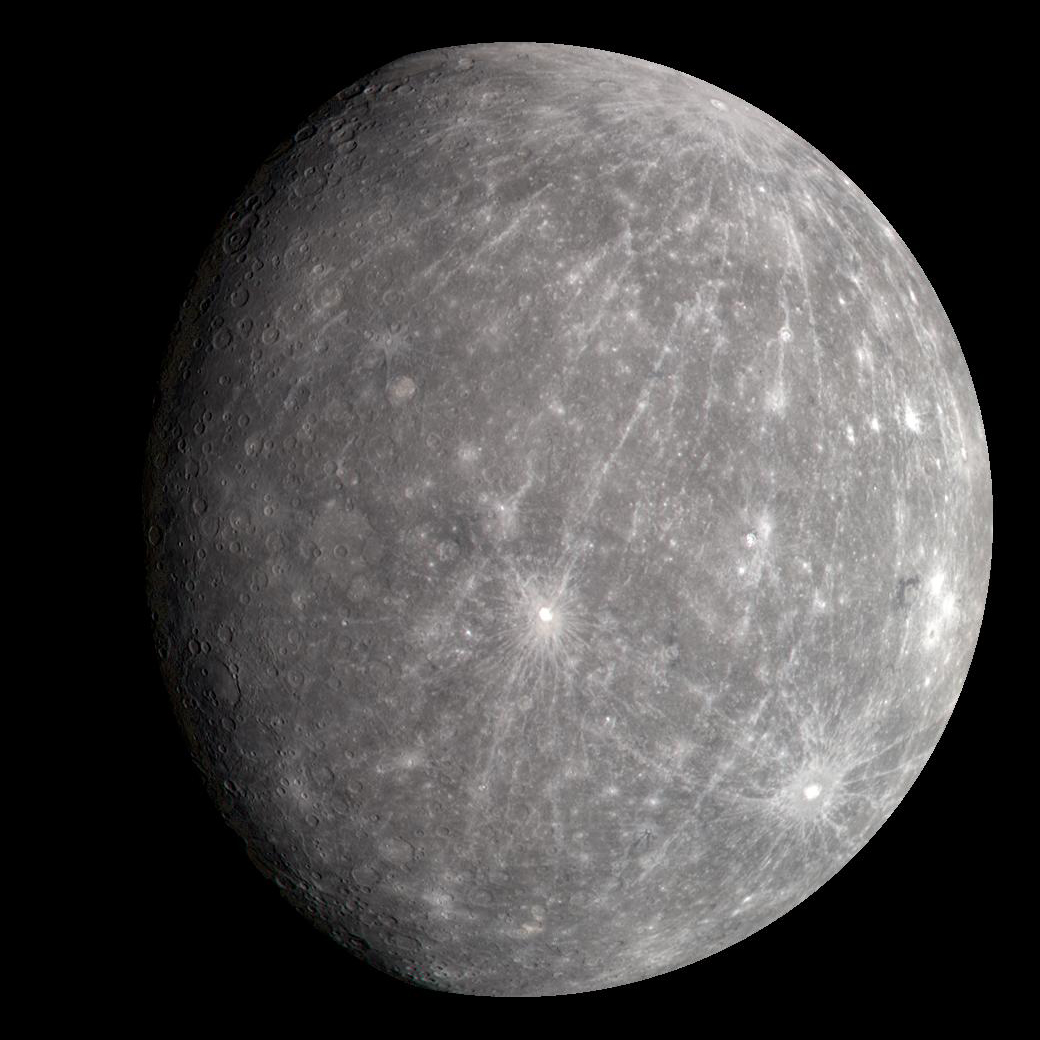
Mercury is the closest planet to the Sun and has extreme temperature variations.
Its surface is heavily cratered similar to Earth's Moon.
7. Venus
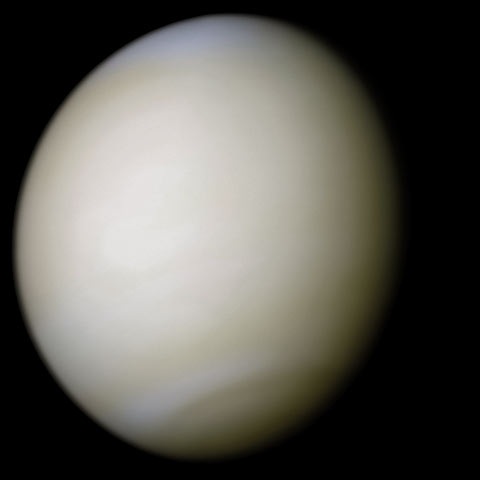
Venus has a thick atmosphere that traps heat, making it the hottest planet
in the solar system despite not being closest to the Sun.
8. Earth
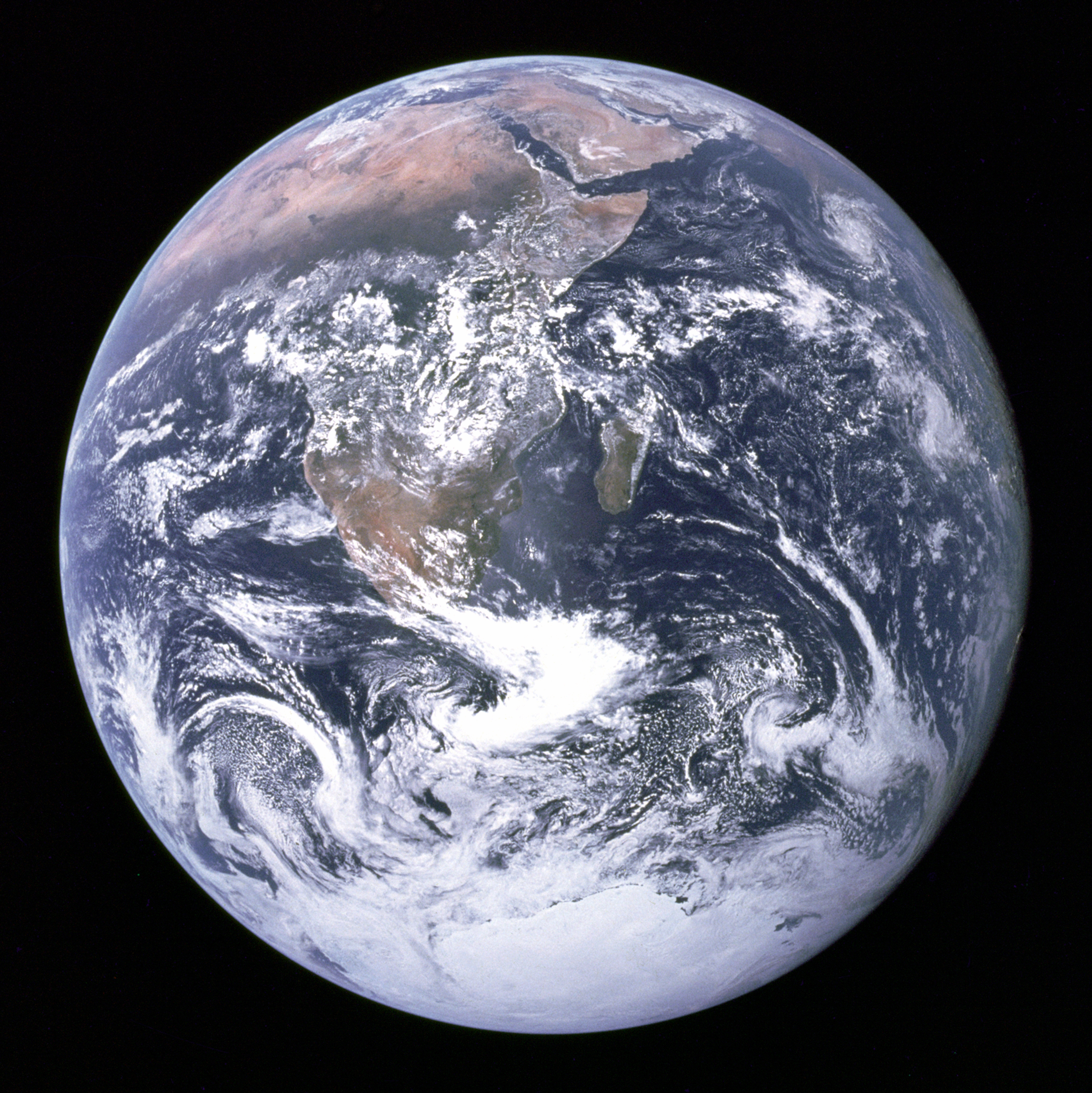
Earth is the only known planet capable of supporting life. It has liquid water,
a protective atmosphere, and a magnetic field.
9. Mars

Mars is known as the Red Planet because of iron oxide on its surface.
Scientists study Mars to search for evidence of past microbial life.
10. Jupiter
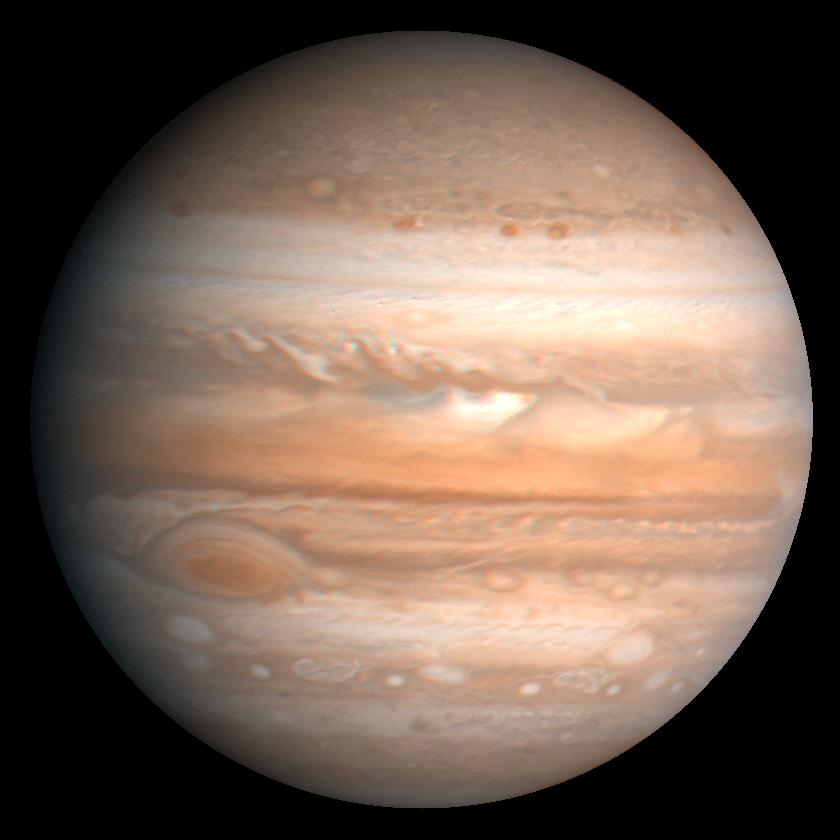
Jupiter is the largest planet in the solar system and contains a giant storm
called the Great Red Spot which has lasted for centuries.
11. Saturn

Saturn is famous for its spectacular ring system made of ice and rock particles
orbiting the planet.
12. Uranus
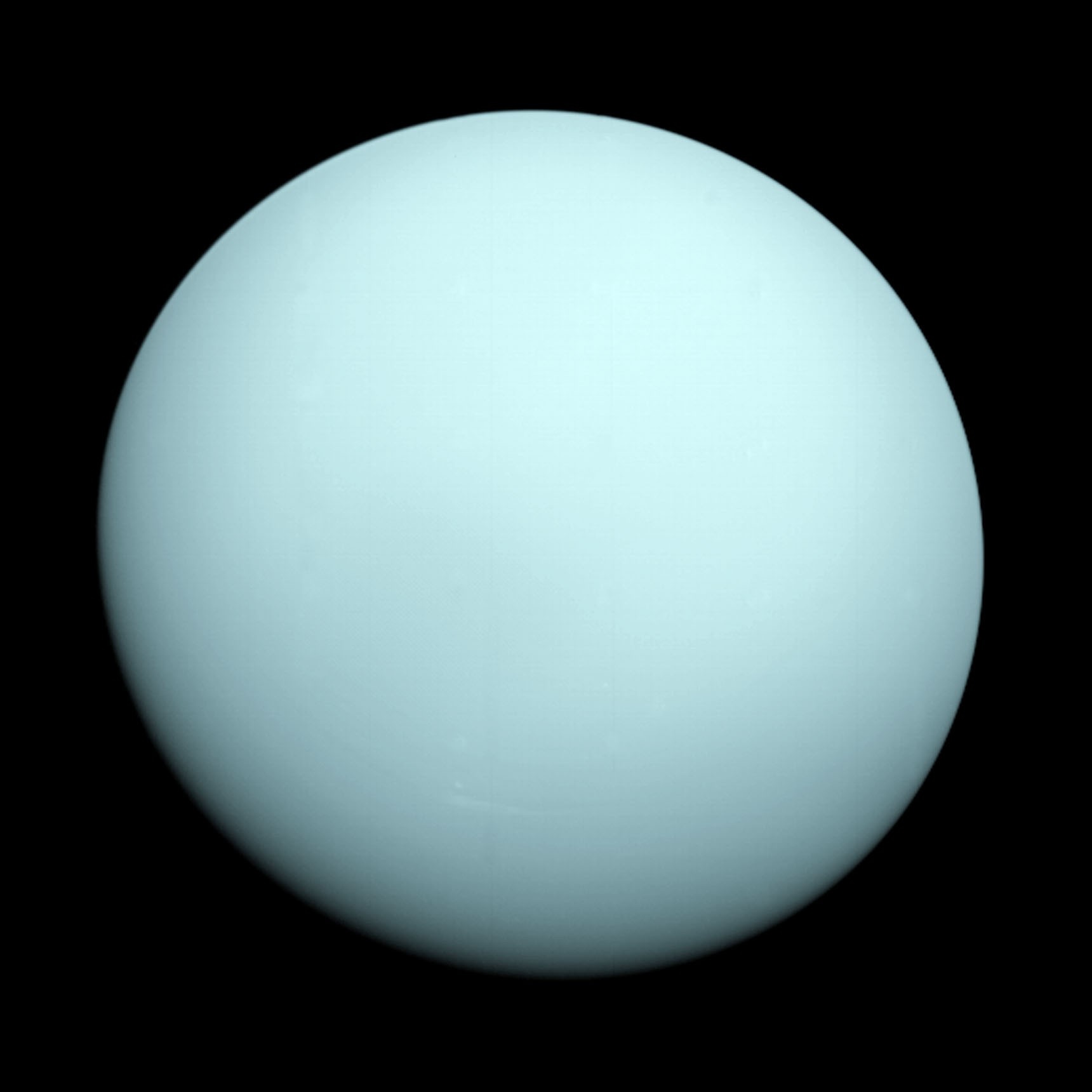
Uranus rotates on its side compared to other planets. Its blue color comes
from methane gas in its atmosphere.
13. Neptune

Neptune is the farthest planet from the Sun and experiences extremely
powerful winds in its atmosphere.
14. Asteroids

Asteroids are rocky objects orbiting the Sun mainly found in the asteroid belt
between Mars and Jupiter.
15. Comets

Comets are icy bodies that release gas and dust when they approach the Sun,
forming a glowing tail visible from Earth.
16. Exoplanets

Exoplanets are planets that orbit stars outside our solar system.
Thousands have been discovered by modern telescopes.
17. Space Telescopes
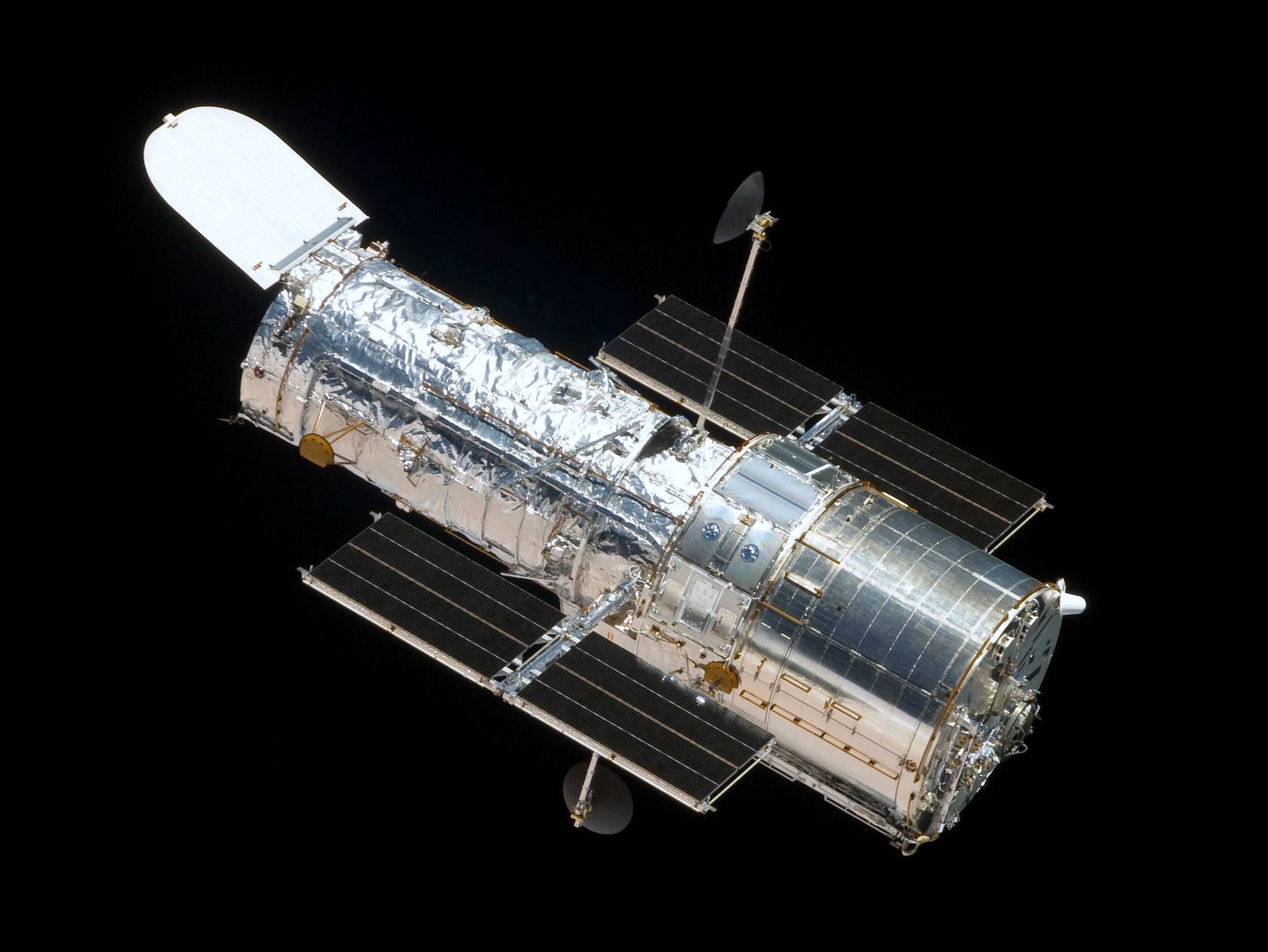
Space telescopes like Hubble allow astronomers to observe distant galaxies
without atmospheric interference.
18. Dark Matter

Dark matter is an invisible form of matter that makes up most of the mass
in the universe but does not emit light.
19. Future Space Travel

Future technologies may allow humans to establish colonies on the Moon
and Mars while exploring deeper regions of the solar system.
20. Possibility of Alien Life

Scientists search for signs of life beyond Earth by studying planets,
moons, and distant exoplanets that may contain liquid water.